6 Understated Dangers of Rodent Infestation
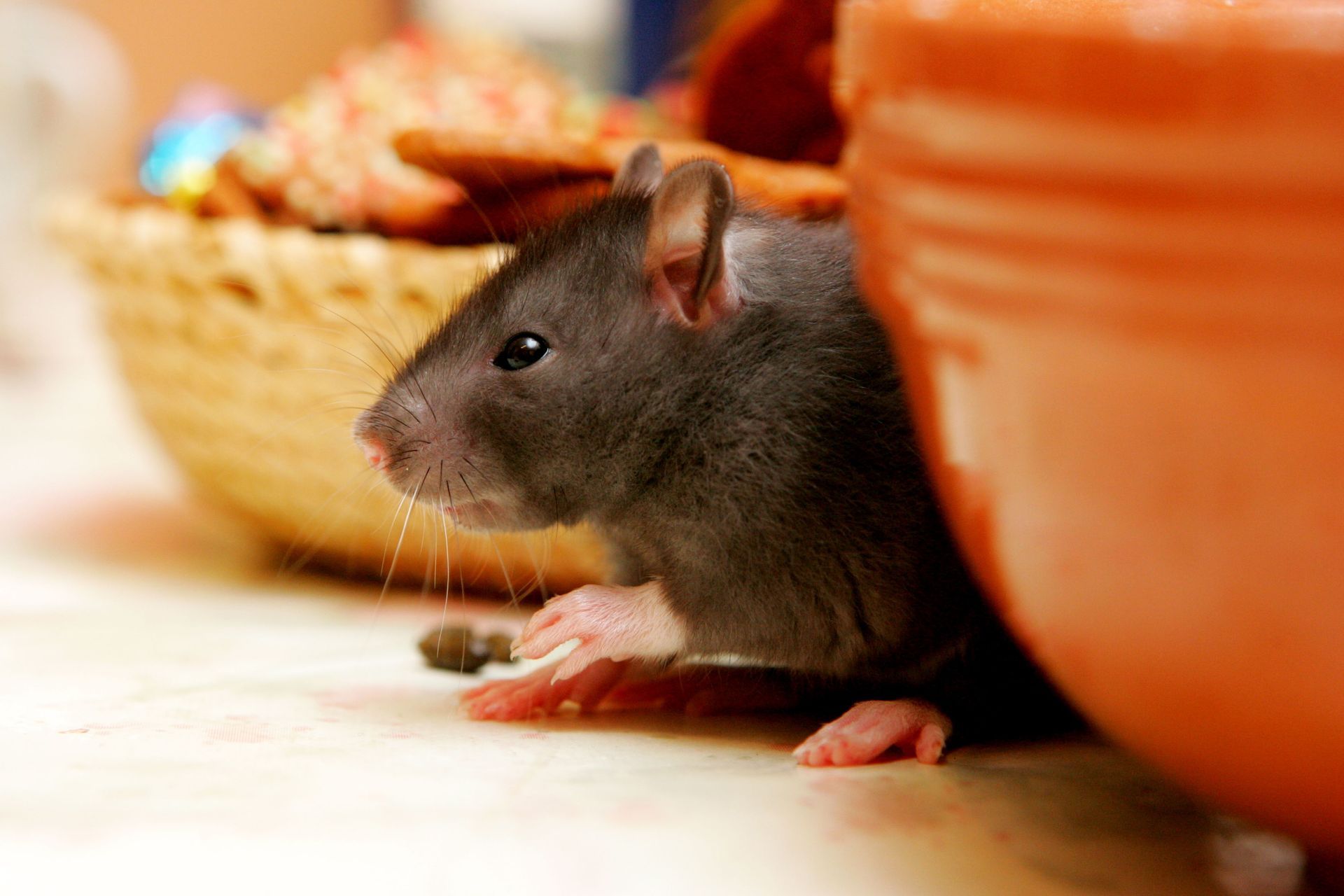
When property owners discover mice or rats inside their buildings, their primary thoughts usually revolve around structural nuisance, unpleasant smells, or simple squeamishness. However, the presence of these unwelcome guests carries profound risks that extend far beyond chewed drywall and ruined cardboard boxes. To truly safeguard your living environment, implementing proactive rodent control measures is an absolute necessity before hidden problems rapidly escalate into full-scale emergencies.
1. Compromising Structural Integrity and Sparking Electrical Fires
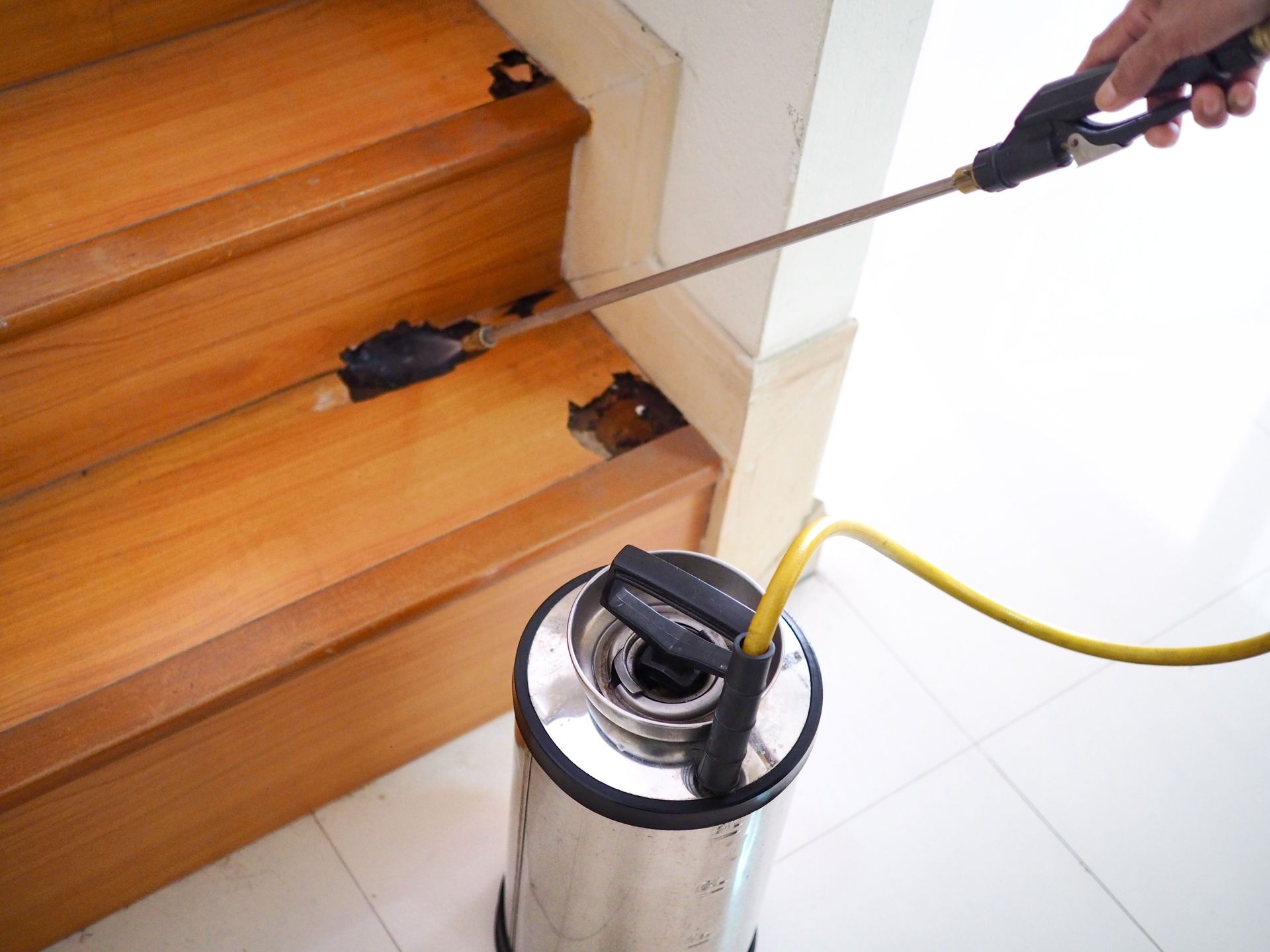
The biological makeup of rodents dictates a relentless need to gnaw on their surrounding environment. Because their incisors grow continuously throughout their lives, creatures like mice and rats must chew on hard surfaces to wear down their teeth, turning your home's infrastructure into a personal grinding stone. They routinely target wooden beams, PVC plumbing pipes, structural insulation, and underlying support boards. Over time, this unseen architectural degradation can weaken the framework of walls, warp door frames, and cause sudden, expensive plumbing leaks that lead to severe rot or toxic black mold colonization.
Even more alarming is their tendency to slice through standard electrical wiring. Attracted to the soft plastic coating surrounding your house's electrical grids, rodents strip away insulation, leaving high-voltage copper wires completely bare. When these exposed conductors touch combustible building materials or short-circuit against one another, the results can be catastrophic. Every year, thousands of mysterious, unexplained domestic structural fires are traced back to hidden wire damage initiated by pests, underscoring the vital role in safety played by professional rodent control intervention.
2. Spreading Highly Contagious Pathogens and Microscopic Organisms
The health hazards associated with mice and rats are frequently underestimated by the general public, who view them more as a cosmetic nuisance than a biological threat. According to data compiled by PestWorld, only about 28% of citizens are aware that these common pests can transmit over 35 distinct types of medical diseases. This alarming knowledge gap leaves millions of households vulnerable to severe illnesses that are easily spread through airborne dust, direct handling, or contaminated pantries. Pathogens like Leptospirosis, Salmonellosis, and Rat-Bite Fever can quickly transform a standard household into a hazardous bio-zone.
Perhaps the most lethal of these threats is the Hantavirus Pulmonary Syndrome, a life-threatening respiratory disease passed along primarily by deer mice. This particular virus becomes airborne when dried rodent urine, saliva, or droppings are disturbed during basic cleaning activities like sweeping or vacuuming. Inhaling these microscopic viral particles can lead to severe cardiovascular breakdown, meaning that attempting to clean up after an infestation without adequate personal protection or specialized rodent control training can carry lethal consequences.
3. Exacerbating Chronic Respiratory Illnesses and Severe Asthma
Letting a rodent population grow introduces a high volume of airborne allergens into indoor environments. Rodents constantly shed microscopic skin dander, hair follicles, and highly concentrated protein molecules found within their urine and saliva. As these microscopic elements dry out, they break down into a fine dust that is pulled directly into central heating, ventilation, and air conditioning systems. Once inside the ductwork, these potent allergens are distributed into every single room of the house, degrading indoor air quality.
For children, elderly residents, or individuals already managing chronic asthma and respiratory allergies, this continuous airborne pollution can be debilitating. Studies show that long-term exposure to mouse allergen proteins inside the home is a leading trigger for severe, acute asthma attacks in urban youth. This hidden environmental stressor keeps immune systems in a constant state of hyper-reactivity, emphasizing that resolving an infestation through systematic rodent control is as much about protecting respiratory wellness as it is about maintaining a clean building.
4. Introducing Secondary Parasitic Invaders to Living Areas
An infestation is rarely isolated to the rodents themselves, as these mammals act as primary mobile hosts for an array of secondary blood-sucking parasites. Rats and mice frequently carry heavy populations of fleas, ticks, parasitic mites, and microscopic lice within their fur. When these animals nest inside your crawlspaces, attics, or wall voids, these hitchhiking parasites quickly multiply and begin migrating outward into human living zones in search of new blood meals.
This parasitic spillover can introduce a whole new set of health emergencies to your household. For instance, deer ticks brought indoors by mice can transmit Lyme disease, while rodent fleas can transmit Murine Typhus. Even if the primary mammalian pests are eventually eliminated, the lingering parasites left behind in carpets, bedding, and upholstered furniture can continue biting human occupants and domestic pets for weeks, which highlights why all-inclusive rodent control protocols must address both the primary mammal and their accompanying parasitic hitchhikers simultaneously.
5. Contaminating Human Food Supplies and Kitchen Surfaces
A single mouse can produce up to seventy waste droppings a day and urinates frequently to mark its navigational trails across your property. Because they are nocturnal foragers, they spend their active hours scurrying across kitchen countertops, food preparation islands, cutting boards, and inside pantry shelving where dry goods are stored. As they move, they leave behind an invisible trail of bodily fluids, waste matter, and bacteria collected from the unsanitary sewers or soil environments they traveled through earlier.
When humans inadvertently consume food from boxes that have been gnawed open, or prepare meals on surfaces contaminated by these nocturnal excursions, they risk severe food poisoning. Bacteria like E. coli and Salmonella are easily transferred to human food lines in this manner, often leaving families suffering from debilitating gastrointestinal illness without ever realizing the root cause was a hidden pest issue. Instituting rigid kitchen sanitation alongside professional rodent control is the only definitive way to keep household food supplies secure.
6. Triggering Severe Psychological Stress and Sleep Deprivation
The mental toll of living with an unresolved pest issue is an understated danger that can severely erode an individual's overall quality of life. Human beings possess an evolutionary aversion to pests, and knowing that your sanctuary has been compromised can induce chronic anxiety, hyper-vigilance, and an inability to relax. Homeowners often report feeling a deep sense of shame or isolation, mistakenly believing that the infestation reflects poorly on their personal cleanliness or social standing, which can strain familial relationships.
Furthermore, because rodents are primarily active at night, their scratching, clawing, and scurrying sounds within walls and ceilings can severely disrupt natural sleep cycles. This ongoing noise pollution leads to chronic sleep deprivation, which impairs cognitive function, weakens the immune system, and amplifies daily irritability and emotional distress. Restoring peace of mind and reclaiming a restful sleeping environment requires swift, decisive action through comprehensive pest control strategies designed to eliminate both the pests and the psychological burden they inflict.
The true dangers of an unchecked pest invasion go far beyond superficial physical damage and minor household inconveniences, directly threatening your family's safety through devastating electrical fires, severe chronic respiratory damage, and the frightening reality of multi-disease transmission. These hidden liabilities represent a multi-faceted assault on your property, health, and long-term peace of mind, making immediate remediation an absolute priority. Do not wait for these invisible structural and biological hazards to manifest as visible disasters; instead, prioritize specialized management today to permanently guarantee a completely safe, secure, and healthy living environment for tomorrow. For more on the less apparent dangers of neglecting rodent control in your living spaces, please reach out to Big-O Pest Control at your earliest convenience.



Share On: