Curbing Illnesses With Your Local Exterminators
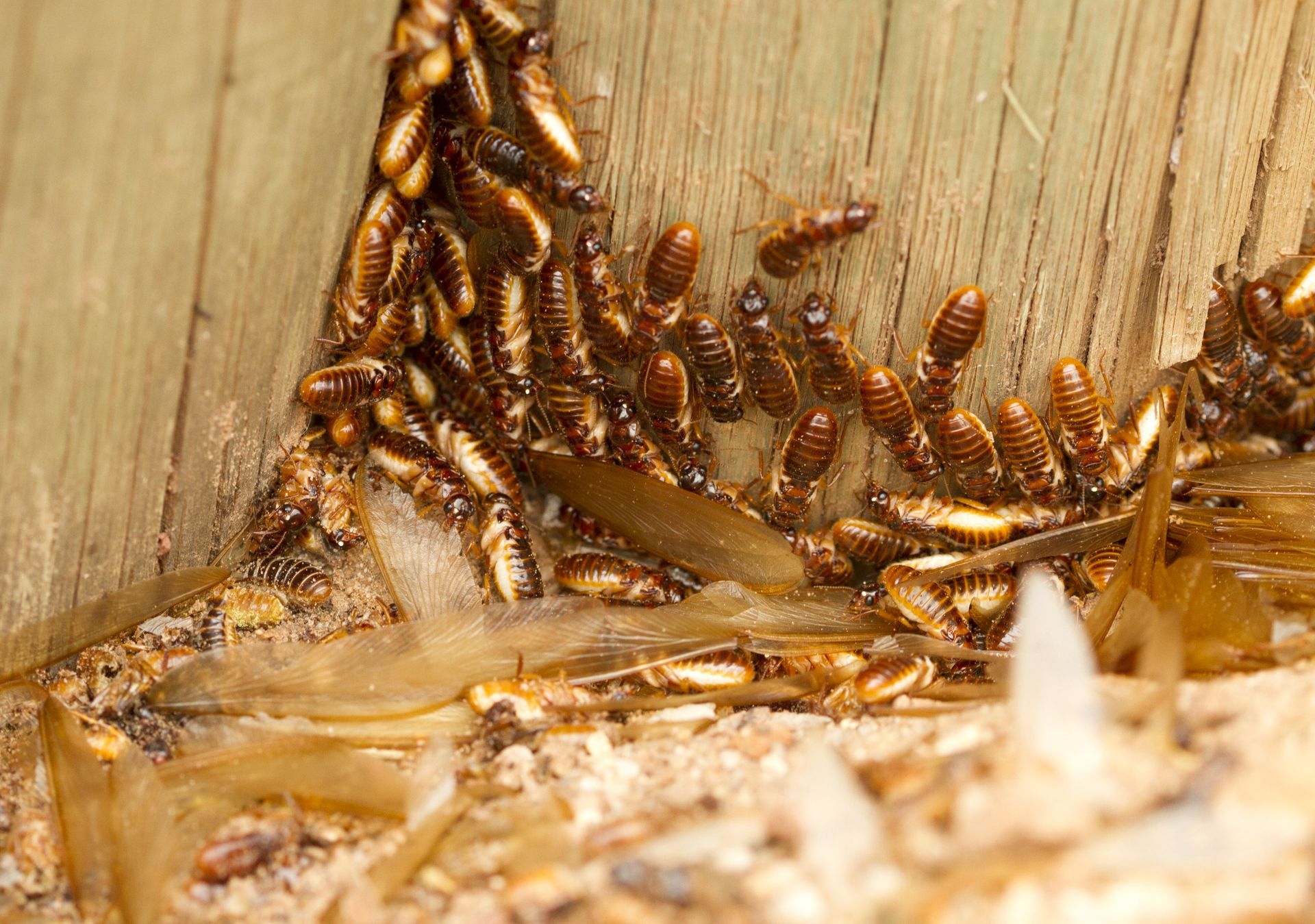
Pest infestations not only pose a threat to property, but they also pose significant health risks. Understanding the role of extermination experts in curbing these risks is crucial for community wellbeing. Professionals in pest control help prevent illnesses associated with these infestations. By engaging with qualified local exterminators, communities can significantly enhance their health security. This article explores the intricate connection between pests, health risks, and professional extermination services.
Understanding the Connection Between Pests and Health Risks
Evaluating the Disease-Carrying Potential of Common Pests
Pests are notorious vectors of various diseases. Mosquitoes, for instance, are responsible for transmitting diseases such as malaria, dengue, Zika virus, and West Nile virus. According to Consumer Affairs, the mosquito spreads more diseases than any other type of insect and is responsible for several million deaths and hundreds of millions of illnesses each year. Rodents carry diseases such as hantavirus, leptospirosis, and Salmonella. Cockroaches contribute to the spread of bacteria and can exacerbate respiratory problems. Partnering with local exterminators ensures these dangerous vectors are eliminated efficiently.
Pests can also transport allergens that trigger asthma. Health professionals recognize dust mites and cockroaches as significant asthma triggers. The importance of mitigating these risks by controlling pest populations cannot be overstated. Infestations, therefore, represent a direct threat to public health. Proper pest control strategies provided by local exterminators are essential to minimize such risks effectively.
Assessing Pests' Impact on Indoor Air Quality
Indoor air quality is a critical component of a healthy living space. Certain pests, like dust mites and cockroaches, contribute to degrading air quality by producing allergens. These allergens can become airborne, leading to respiratory problems. As pests multiply, the concentration of these allergens increases, compounding the health risks. Professional services from local exterminators play a pivotal role in maintaining healthy indoor air quality by eradicating these pests effectively.
Furthermore, pest droppings, skin, and urine can contaminate the air and surfaces within homes and buildings. This contamination often goes unnoticed until it triggers visible or bodily reactions. Over time, inhaling these particles can lead to chronic respiratory issues. The accumulation of pest remains can also lead to mold growth, further harming air quality. Addressing infestations promptly through local exterminators can prevent these detrimental effects and improve overall indoor air conditions.
Analyzing Allergies and Asthma Exacerbated by Pests
Pests significantly contribute to the onset and worsening of allergies and asthma. Cockroach droppings, in particular, are common allergens that aggravate asthma symptoms. Dust mites, invisible to the naked eye, thrive in household environments and are a leading cause of allergies. Asthma attacks resulting from pest-related allergens can be severe and require medical intervention. As such, controlling and eliminating pests is a crucial step in managing respiratory health.
Many individuals living in infested environments may experience a decline in their respiratory health. Children and the elderly are particularly vulnerable to pest-related allergies and asthma. Recognizing and mitigating these risks with the help of local exterminators can lead to better long-term health outcomes for these populations. Environmental cleanliness and regular pest control measures form the foundation of good health practices. Prevention and prompt intervention can significantly reduce the incidence of pest-related health issues.
Addressing Psychological Effects of Infestations on Health
The psychological impact of living with a pest infestation cannot be overlooked. Individuals may experience heightened stress and anxiety due to constant exposure to pests. The feeling of loss of control over one's environment can lead to mental health challenges. Over time, the constant worry about pests can lead to sleep disturbances and perpetual discomfort. Addressing the psychological impact of infestations is as important as tackling the physical presence of pests.
Professional local exterminators offer a sense of relief by effectively managing and eliminating pest issues. Their expertise allows homeowners to regain control of their environments. With a thorough approach to eradication and prevention, pest control services restore peace of mind. Additionally, knowledge of ongoing pest management strategies offers reassurance and reduces anxiety. Consequently, engaging with local exterminators can greatly enhance psychological wellbeing.
Examining the Role of Professional Extermination in Health Prevention
Implementing Integrated Pest Management for Sustainable Solutions
Integrated Pest Management (IPM) is a holistic approach to pest control that combines multiple strategies for sustainable solutions. By reducing dependency on chemical pesticides, IPM emphasizes environmental safety and human health. It involves a thorough understanding of pest life cycles and behaviors, enabling targeted interventions. Prevention, monitoring, and strategic control measures form key components of IPM. Professional local exterminators adept in IPM practices ensure long-lasting and efficient pest management solutions.
Preventative measures, such as habitat modification and mechanical trapping, play a significant role within IPM. These strategies target the root causes of infestations, addressing potential entry points and food sources. Pest resistance is a growing concern with over-reliance on chemical methods; IPM mitigates this by employing diversified tactics. Additionally, IPM supports the preservation of beneficial insect populations, promoting ecological balance. By opting for IPM services from local exterminators, communities support environmental sustainability and public health.
Utilizing the Expertise and Tools Professional Exterminators Bring
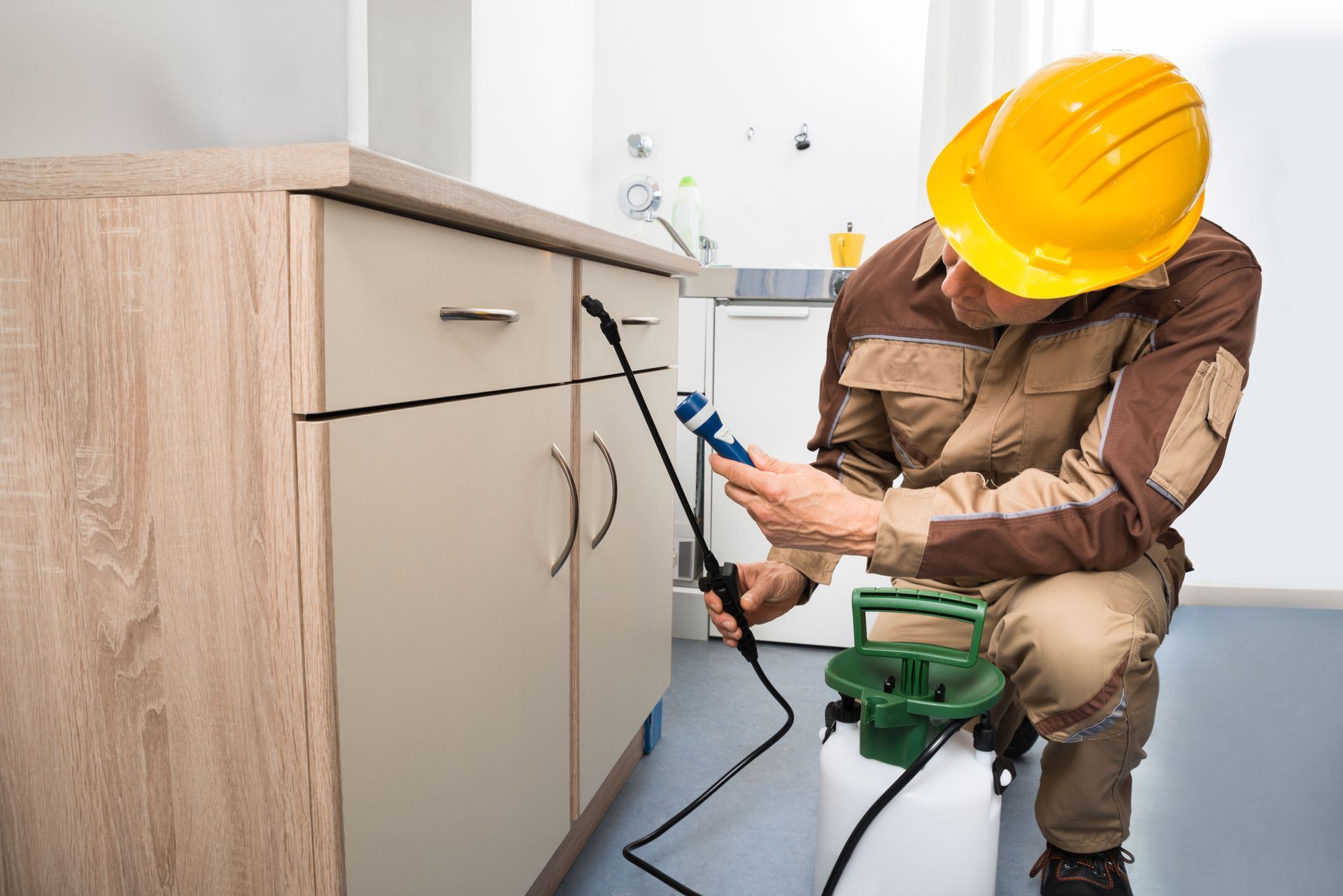
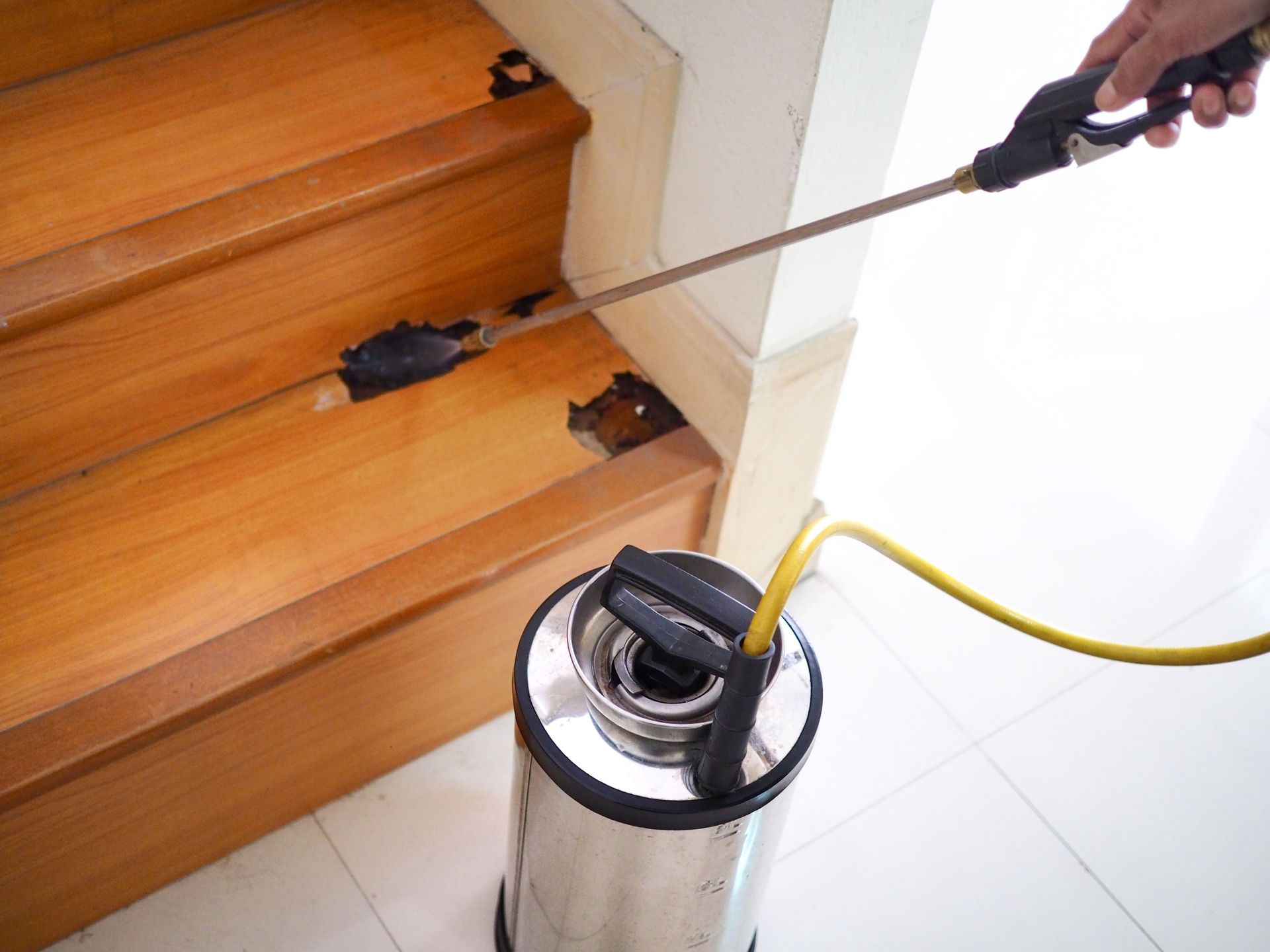
Professional local exterminators are equipped with the expertise and tools necessary to tackle pest infestations effectively. Trained in identifying pest behaviors and habitats, they can efficiently assess and address infestations. Their knowledge of current pest control technologies allows for the application of the most effective solutions. Access to commercial-grade equipment further enhances their ability to deliver quick and thorough eradication services. This combination of expertise and tools ensures robust and reliable pest management interventions.
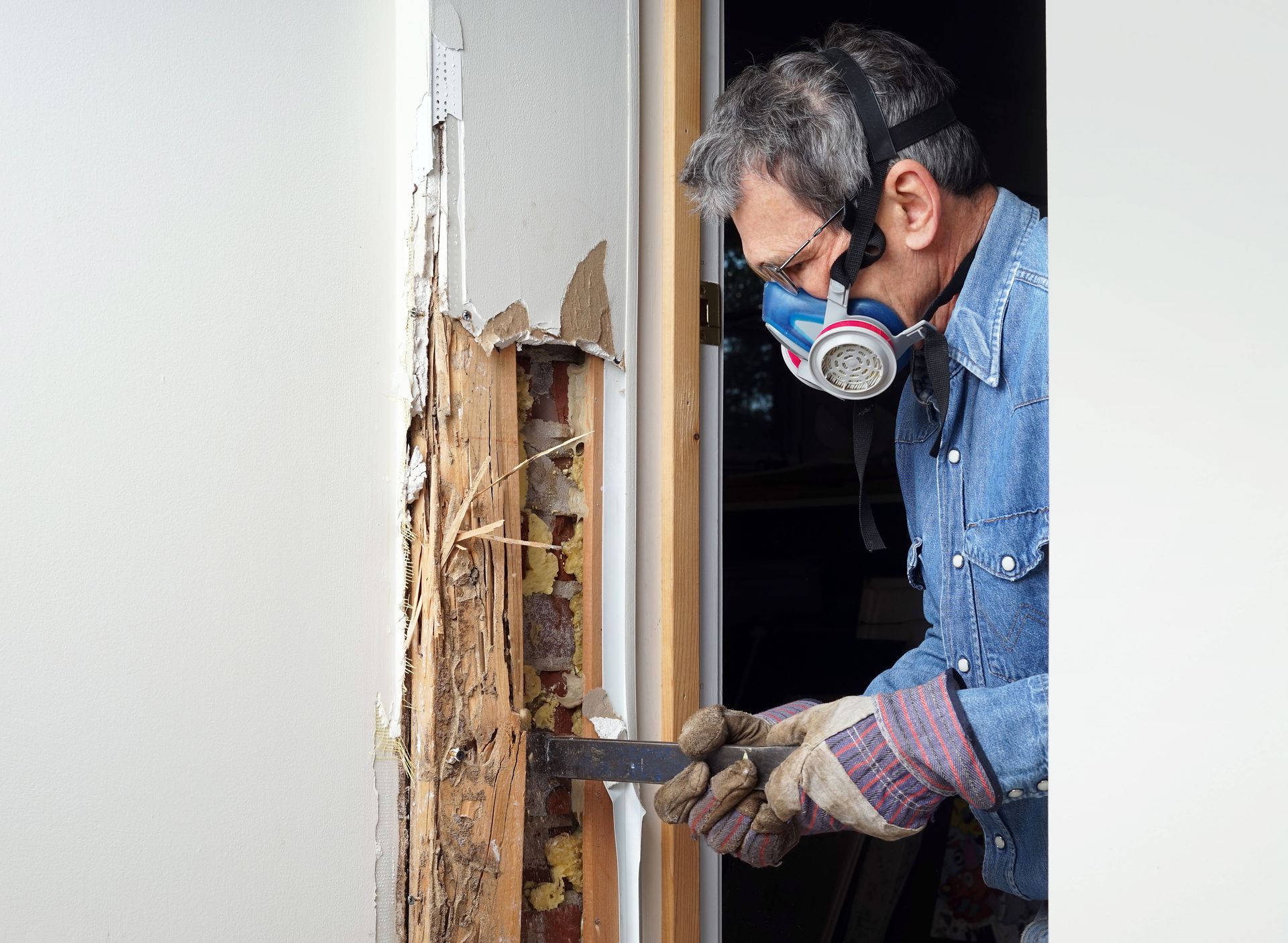
Moreover, professionals can provide tailored advice and strategies for preventing future infestations. By recognizing early signs of pest activity, exterminators can recommend preventative measures to mitigate risks. Comprehensive inspections reveal vulnerabilities that may not be apparent to untrained individuals. By attending to these insights, homeowners can implement precautionary actions, fostering a pest-resistant environment. Professional guidance also ensures compliance with safety regulations and local health standards.
Comparing Preventative Measures vs. Reacting to Infestations
Preventative pest management measures are far more effective than reacting to infestations after they occur. By adopting proactive strategies, individuals can avoid the health and economic burdens associated with pest infestations. Prevention involves regular inspections, sanitation, and maintenance measures that deter pests from establishing. Experienced local exterminators offer valuable insights into effective preventative techniques tailored to specific environments. Implementing these measures helps reduce the risk and impact of future infestations.
Exterminators emphasize the importance of eliminating potential pest attractors and entry points. Simple actions, such as sealing cracks, storing food in airtight containers, and maintaining clean premises, can make a significant difference. These actions, combined with professional guidance, create an inhospitable environment for pests. By minimizing pest access and resources, homeowners can significantly reduce infestation risks. Preventative measures, therefore, represent a proactive investment in long-term health and safety.
Promoting Education and Awareness by Local Exterminators
Local exterminators play a crucial role in raising awareness about pest-related health risks and control measures. By educating communities, they empower people to adopt effective pest management practices. Workshops, informational pamphlets, and community outreach activities can expand public knowledge about infestation prevention. Dissemination of knowledge helps reduce misinformation and fears associated with pests. Professional local exterminators serve as valuable resources for understanding pest-related health issues and solutions.
Through ongoing education, exterminators emphasize the health implications of pest infestations, emphasizing the importance of preventative measures. By fostering awareness, they encourage proactive attitudes toward managing pest-related risks. Individuals who are educated about pest behaviors and control strategies are more equipped to prevent infestations. As awareness grows, community members can collectively work toward healthier and safer living environments. This joint effort leads to improved public health outcomes and reduced burdens on local healthcare systems.
Protecting your home from pest infestations is vital for preserving indoor air quality, preventing disease transmission, and safeguarding your family's overall wellbeing. Trusting professional extermination experts guarantees targeted, long-term solutions that eliminate pests at their source while keeping your environment safe.
Protect your health and restore peace of mind by contacting Big-O Pest Control today to schedule your comprehensive pest inspection!



Share On: