6 Dangers Termites Pose to Your Home
Termites can threaten a home's safety, value, and longevity without producing obvious signs of trouble at first. These wood-destroying pests feed on cellulose, a material found in wood and other plant-based products throughout residential structures. As colonies grow, their feeding activity can gradually weaken important components of a house, leaving homeowners with costly repairs and unexpected maintenance concerns. Recognizing the potential dangers of an infestation can help property owners take action before minor warning signs develop into serious structural problems.
Many homeowners underestimate the damage termites can cause because the insects often remain hidden behind walls, beneath flooring, or inside wooden framing. Understanding the risks makes it easier to recognize suspicious changes, protect vulnerable areas, and seek professional assistance when necessary.
1. Structural Damage to Wooden Components
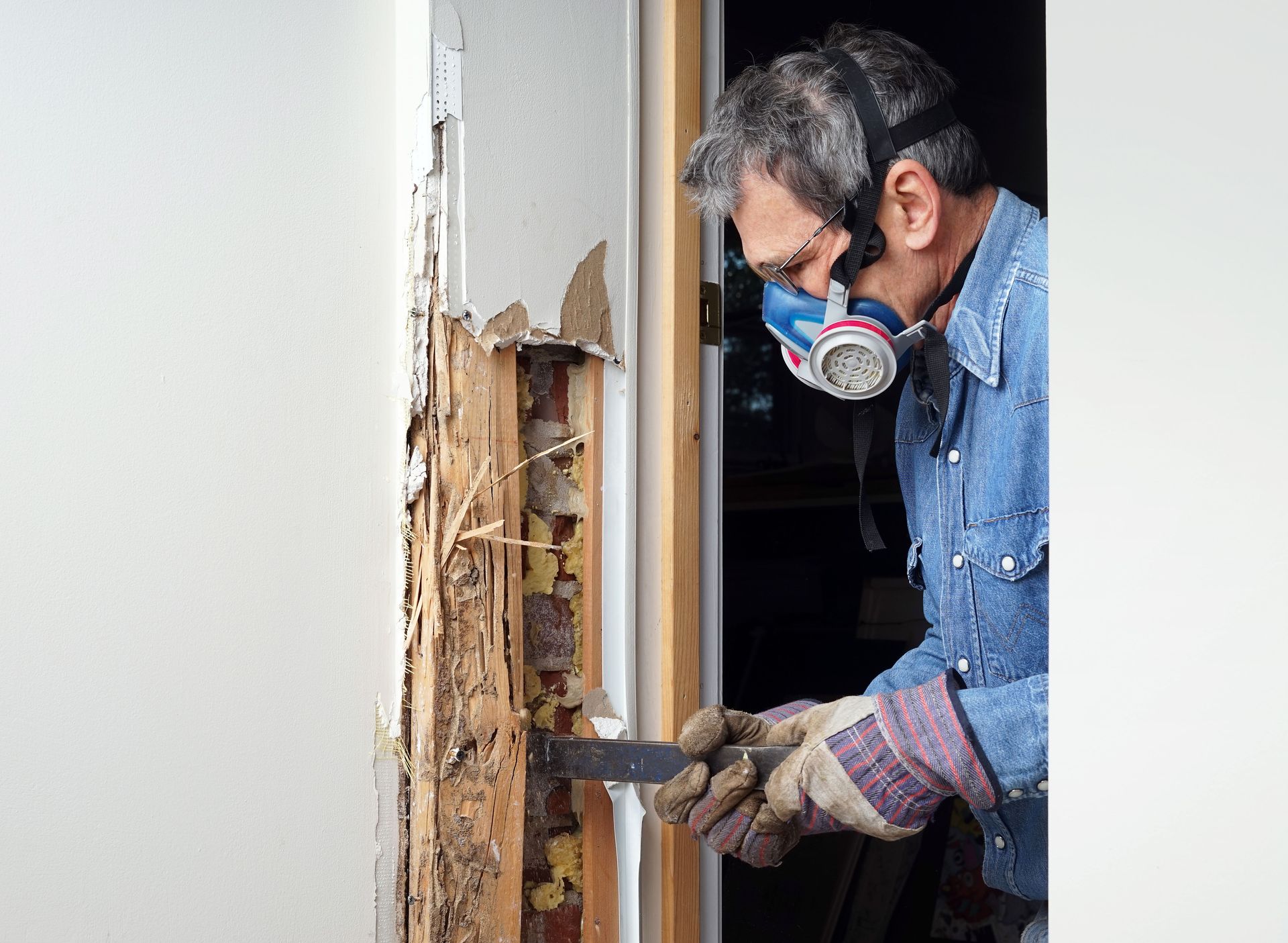
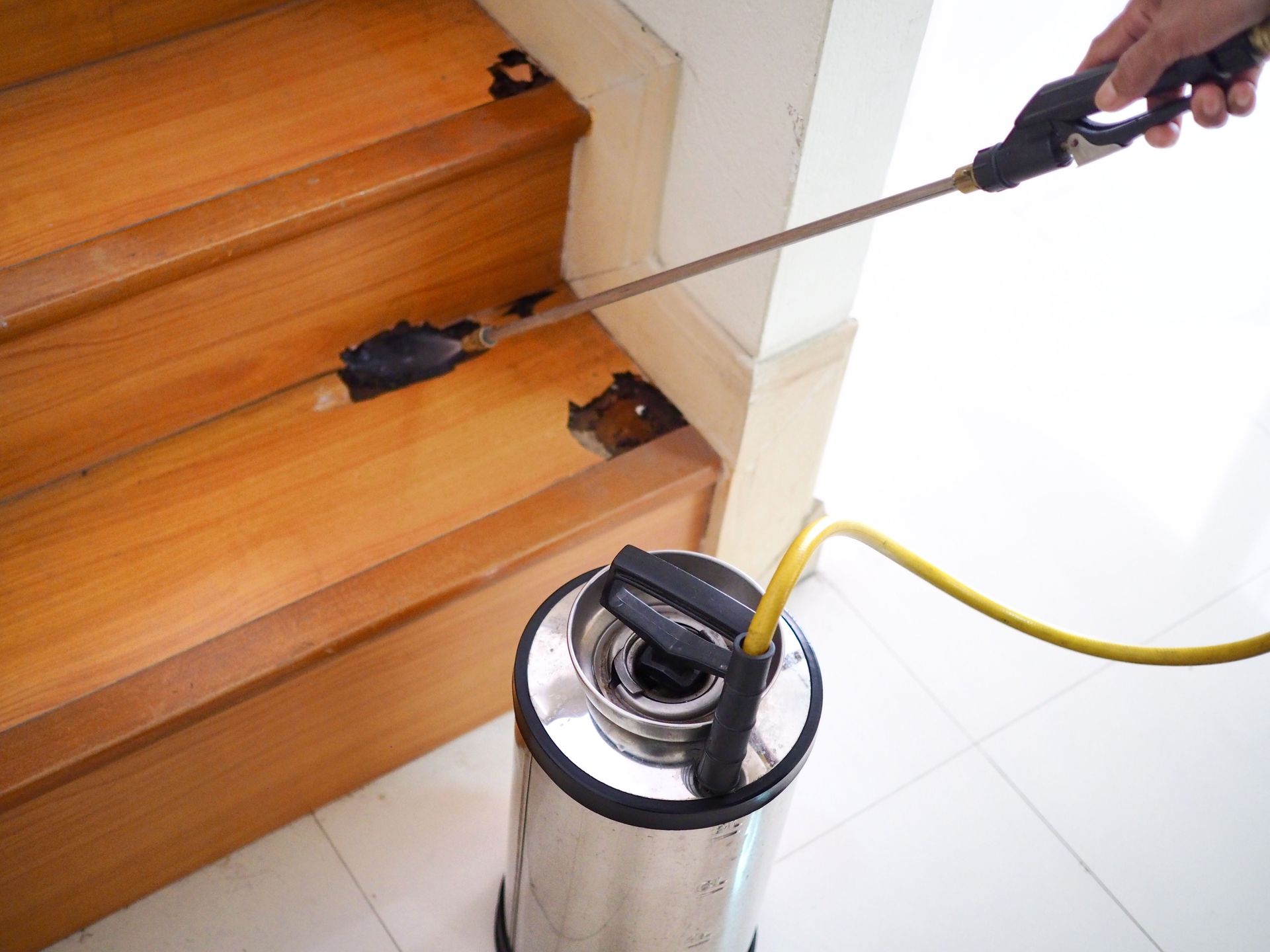
One of the most serious dangers associated with termites is their ability to compromise the wooden components that support a home. Termites consume cellulose within wood, gradually creating tunnels and hollow spaces that may remain concealed beneath the surface. Although a wooden beam might look intact from the outside, extensive internal feeding can reduce its strength and reliability.
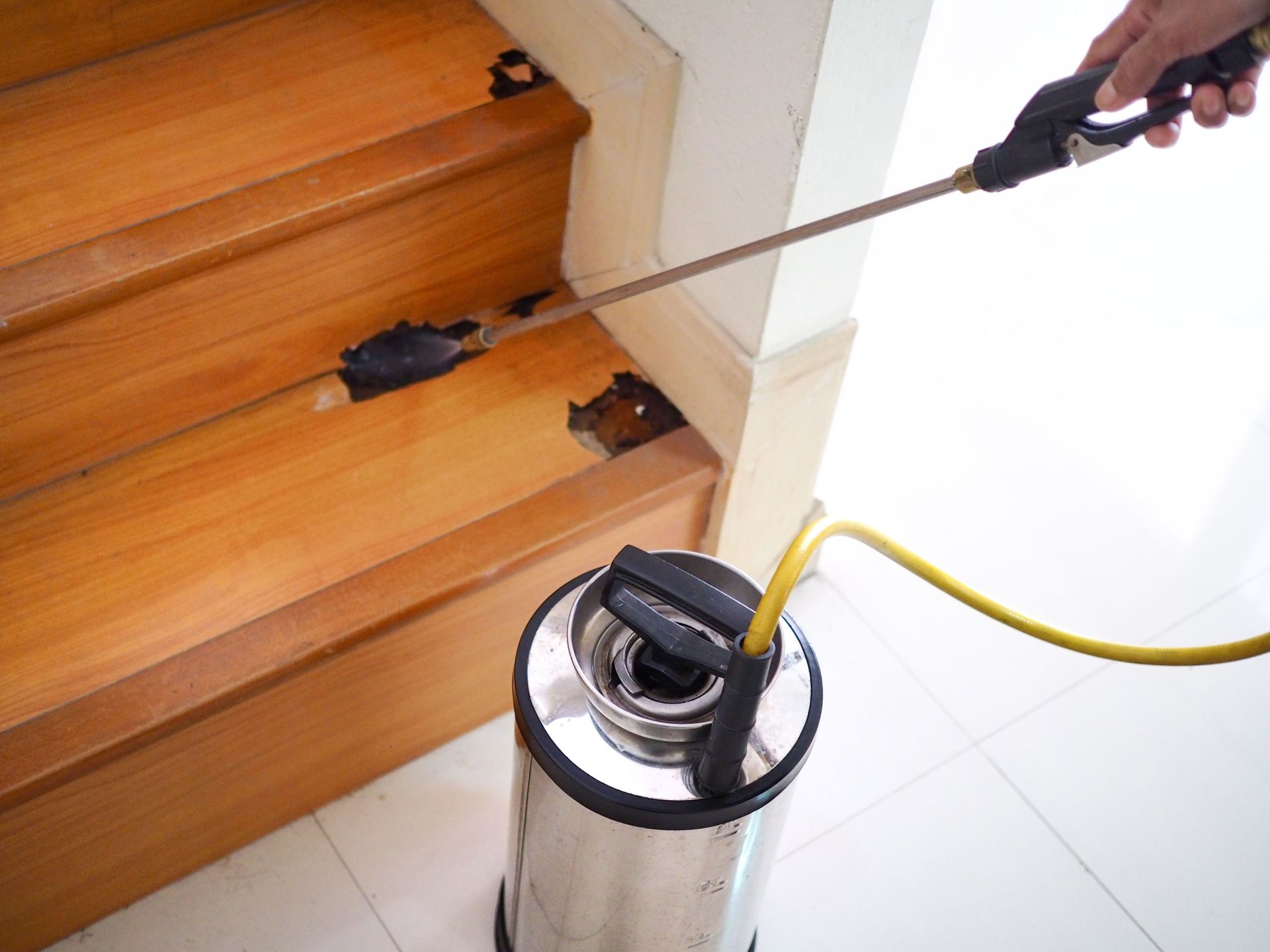
Structural damage can affect floor joists, wall studs, support beams, roof framing, and other essential components. As these materials deteriorate, they may become less capable of carrying the loads they were designed to support. Severe damage can eventually require substantial repairs, including the replacement of affected structural materials.
The National Pest Management Association (NPMA) highlights a significant awareness gap surrounding this threat. According to the NPMA, just 58% of homeowners in the United States recognize that termites can damage the structural integrity of buildings. Greater awareness helps property owners understand why suspected infestations deserve prompt attention rather than being dismissed as a minor nuisance.
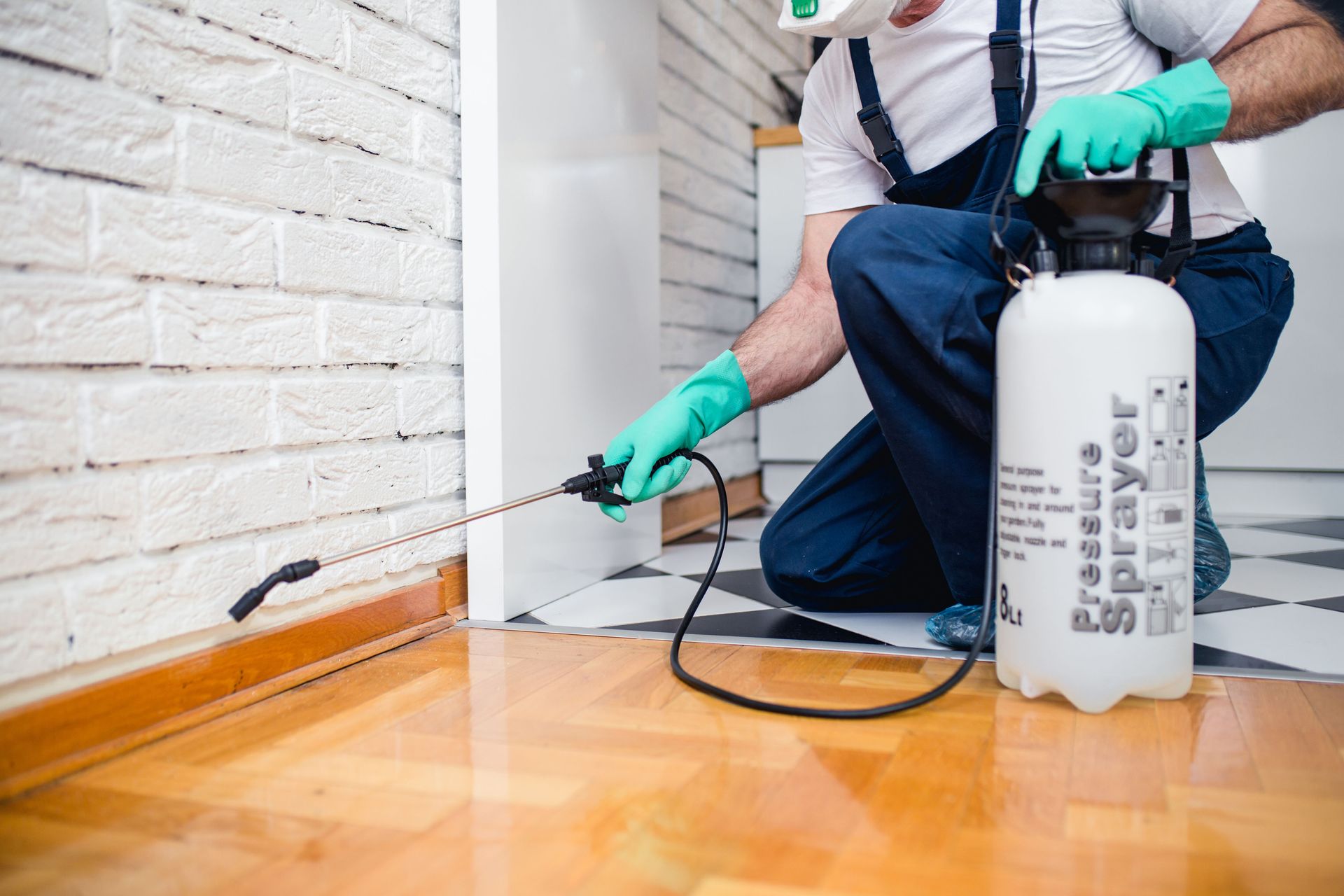
Professional termite exterminators can assess signs of termite activity, identify affected areas, and recommend appropriate treatment. Early intervention may help limit additional damage and reduce the likelihood of more extensive structural repairs.
2. Expensive Repairs and Unexpected Expenses
Termite infestations can create financial pressure when hidden damage continues unchecked. Repair costs depend on the extent of the infestation, the accessibility of affected materials, and the amount of restoration required. A relatively contained problem may call for localized repairs, while widespread deterioration can involve extensive carpentry, flooring replacement, or structural reconstruction.
Homeowners may also face expenses beyond the direct cost of repairing damaged wood. Removing compromised materials, addressing moisture problems, restoring finished surfaces, and arranging follow-up inspections can add to the overall financial burden. If an infestation affects several parts of a property, coordinating repairs and treatments may become more complicated.
Preventive maintenance can help homeowners identify conditions that encourage termite activity before significant damage develops. Checking exposed wood, correcting drainage issues, and investigating suspicious changes can support early detection. T
When warning signs appear, consulting termite exterminators can help clarify the scope of the problem and the available treatment options. A professional assessment provides a more informed starting point for planning repairs, addressing the infestation, and protecting the remaining structure.
3. Damage to Floors, Walls, and Ceilings
Termites do not limit their activity to exposed beams or visibly damaged lumber. Colonies can feed within concealed framing and other cellulose-containing materials, allowing damage to spread behind finished surfaces. Homeowners might notice changes in the appearance or performance of floors, walls, and ceilings before discovering the insects themselves.
Flooring may begin to feel unusually soft, uneven, or unstable when termites damage the wooden materials beneath it. Wall surfaces can develop bubbling paint, discoloration, or unexplained imperfections that resemble moisture-related problems. In some cases, ceilings may show signs of sagging when affected framing has deteriorated significantly.
These symptoms do not automatically indicate termites. Plumbing leaks, excess humidity, settling, and other building issues can produce similar changes. However, unexplained deterioration deserves investigation, particularly when it occurs alongside discarded wings, mud tubes, or hollow-sounding wood.
Avoid covering suspicious areas with fresh paint or replacement materials before determining the cause. Doing so can conceal useful evidence and delay appropriate repairs.
4. Reduced Property Value and Complicated Sales
A termite infestation can complicate the process of selling a home. Prospective buyers generally want reassurance that a property is structurally sound and that existing pest problems have been addressed. Evidence of an active infestation or unrepaired damage may raise concerns about maintenance, future expenses, and the condition of concealed building materials.
Even when treatment has eliminated active termites, a history of damage may prompt additional inspections or requests for documentation. Buyers may seek professional evaluations, negotiate repairs, or reconsider an offer if the extent of the damage remains uncertain. The effect on a transaction depends on the property's condition, local market expectations, and the quality of available records.
Homeowners preparing to sell can benefit from investigating suspicious signs before listing their property. Addressing confirmed problems and retaining treatment records, inspection findings, and repair documentation can make it easier to explain the home's condition to interested buyers.
Working with qualified termite exterminators can help establish whether an infestation is active and what measures are appropriate. Clear information about treatment and completed repairs may support a smoother transaction while demonstrating that the property has received attention.
5. Damage to Furniture and Personal Belongings
Termites can also damage belongings made from wood, paper, cardboard, and other cellulose-containing materials. Wooden furniture, storage boxes, books, and certain decorative items may become vulnerable when termites gain access to them. Because these insects often feed from concealed surfaces, damage may remain unnoticed until an item becomes weakened or develops visible holes.
Furniture stored in damp basements, garages, crawl spaces, or other vulnerable locations may deserve particular attention. Cardboard boxes placed directly against walls or stored on the ground can also provide accessible food sources if termites enter the area.
Inspecting stored items periodically may reveal suspicious tunnels, damaged edges, or unexpected deterioration. However, visible damage alone does not establish whether termites remain active. Some items may contain old damage from a previous infestation, while other forms of deterioration may have unrelated causes.
If termite activity is suspected, avoid moving potentially infested belongings throughout the home without first considering how the insects might spread to other accessible materials. A professional evaluation can help determine the source of the problem and appropriate next steps for protecting the property and its contents.
6. Hidden Infestations That Spread Over Time
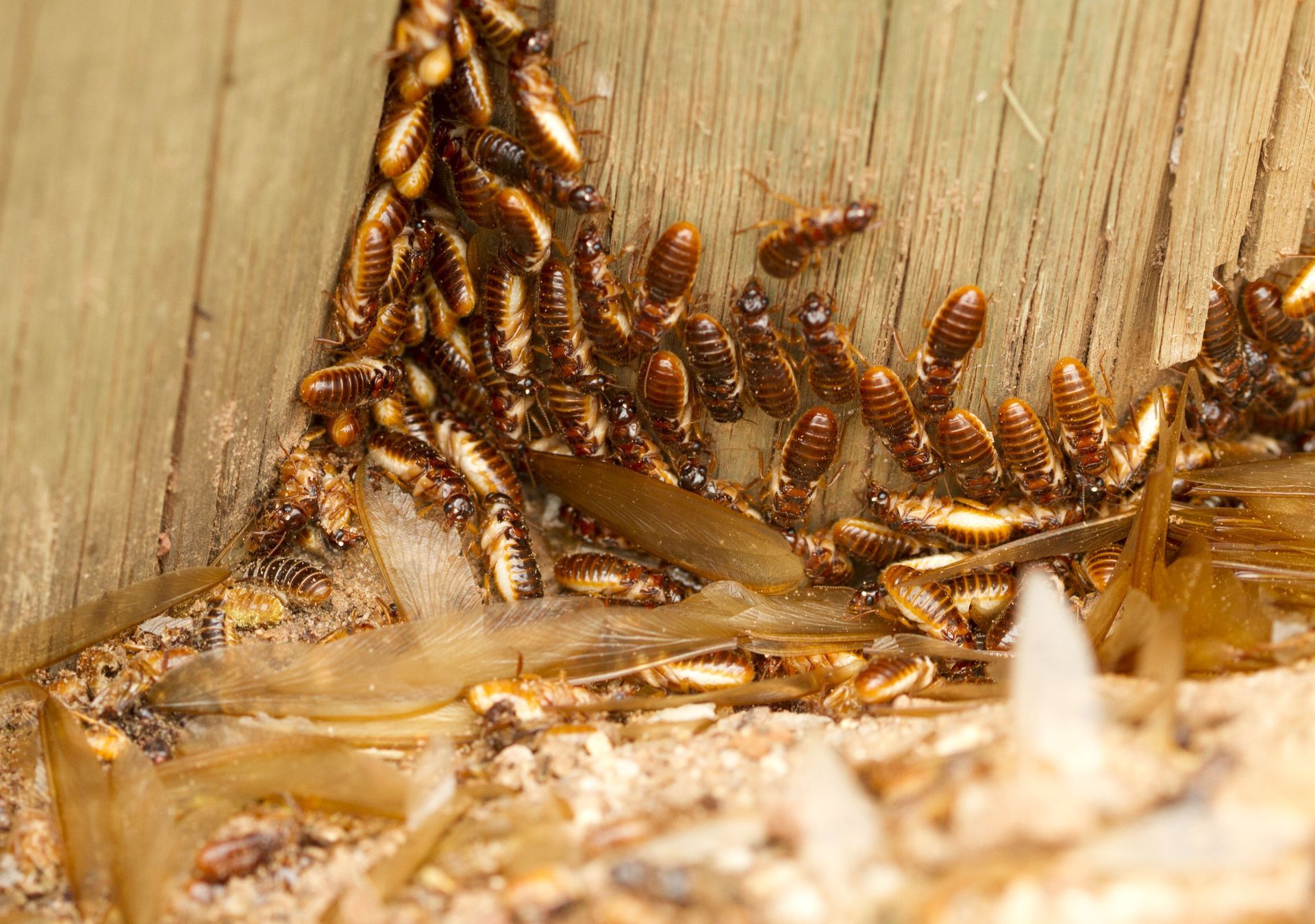
A termite colony can remain active for an extended period without attracting attention. Many species live in soil or concealed wooden areas, traveling through protected routes to reach suitable food sources. This behavior allows termites to feed behind walls, beneath floors, and inside other inaccessible spaces where routine cleaning and visual checks may not reveal their presence.
As activity continues, damage can extend into connected wooden components and additional areas of the property. Homeowners may notice isolated warning signs without realizing that a larger infestation exists elsewhere. Mud tubes along foundations, discarded wings near windows, damaged wood, and small piles of termite droppings can all justify closer investigation, depending on the species involved.
Moisture management and regular inspections can help reduce conditions that support termite activity. Repairing leaks, improving drainage, keeping firewood away from the home's exterior, and limiting direct contact between soil and untreated wood are useful preventive measures. Nevertheless, even well-maintained properties can experience infestations.
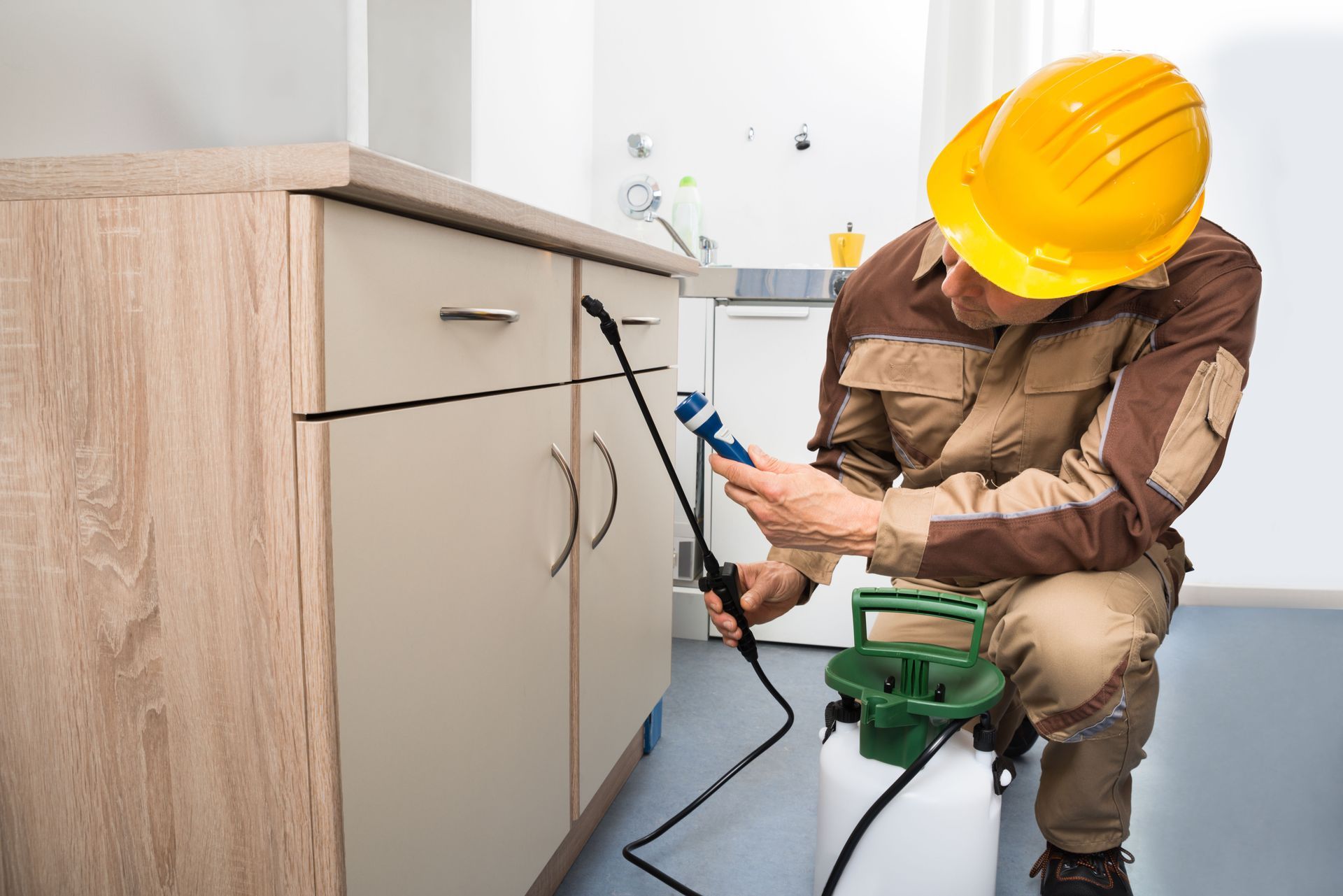
Promptly contacting termite exterminators when warning signs appear can help homeowners understand the extent of the activity and determine a suitable treatment plan. Follow-up inspections and continued monitoring can also help identify recurring problems before additional damage accumulates.
Do not wait for hidden damage to become an expensive surprise. Contact JC Myers Construction to discuss your home's needs and take the next step toward protecting your property's condition and long-term value.


Share On: